Opening
What should stand, turn or reveal when the reader opens the page?
CHENGXI / PAPER ENGINEERING
REAL SAMPLES / REAL MOVEMENTLayered scenes, moving elements and connected panels. See physical book samples open, then look closer at the paper construction behind the movement.
Discuss Your Book ↗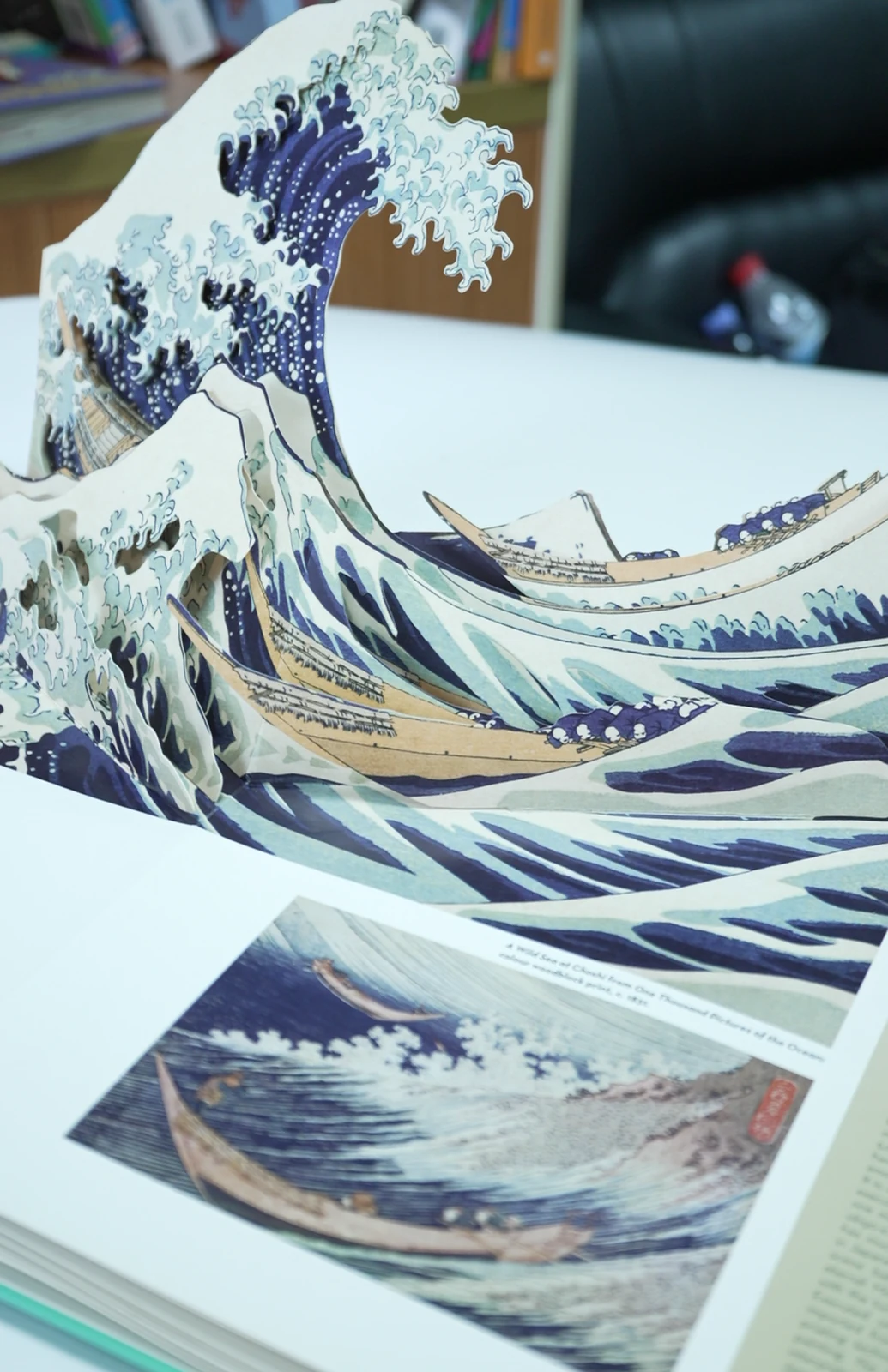
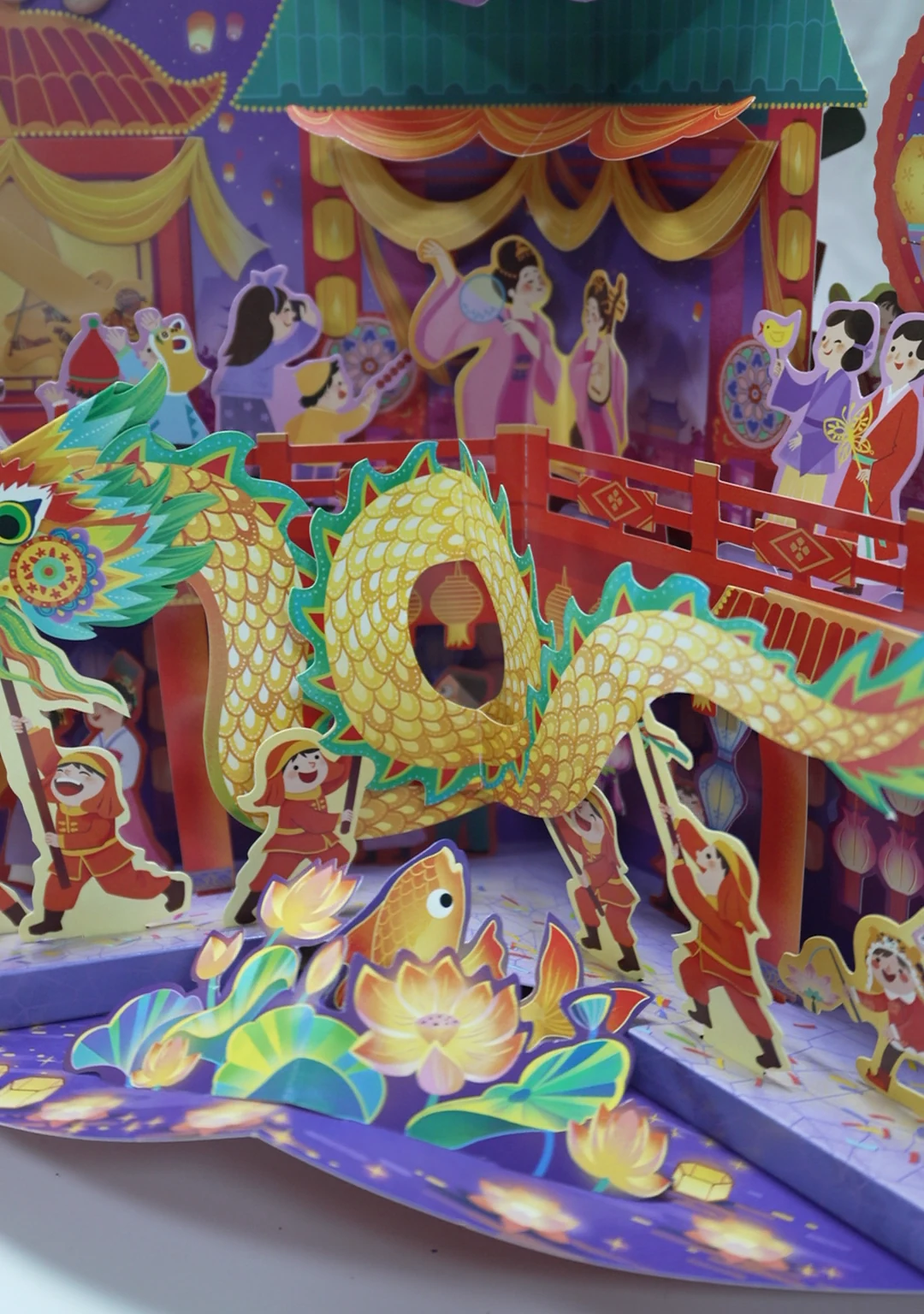
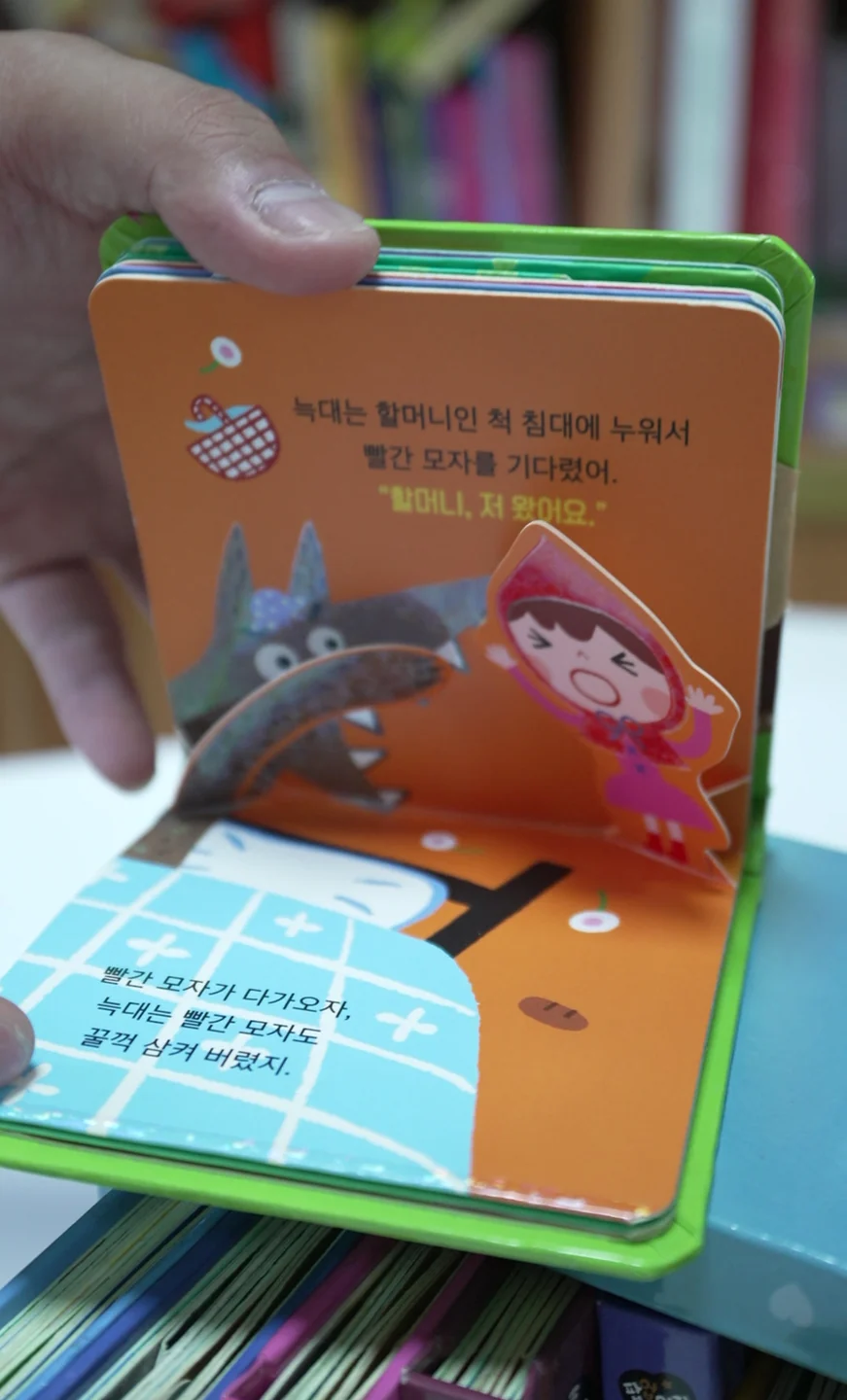
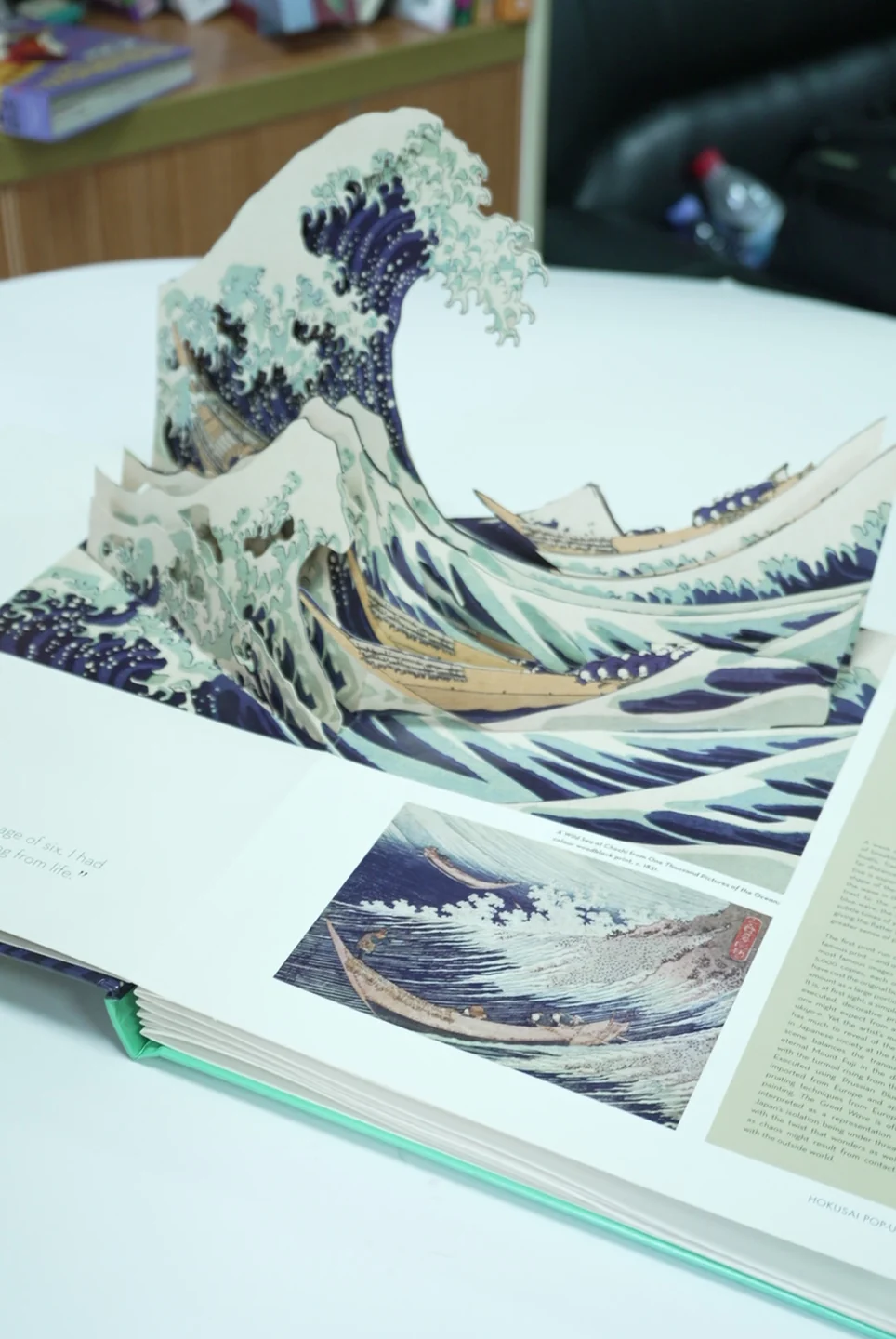
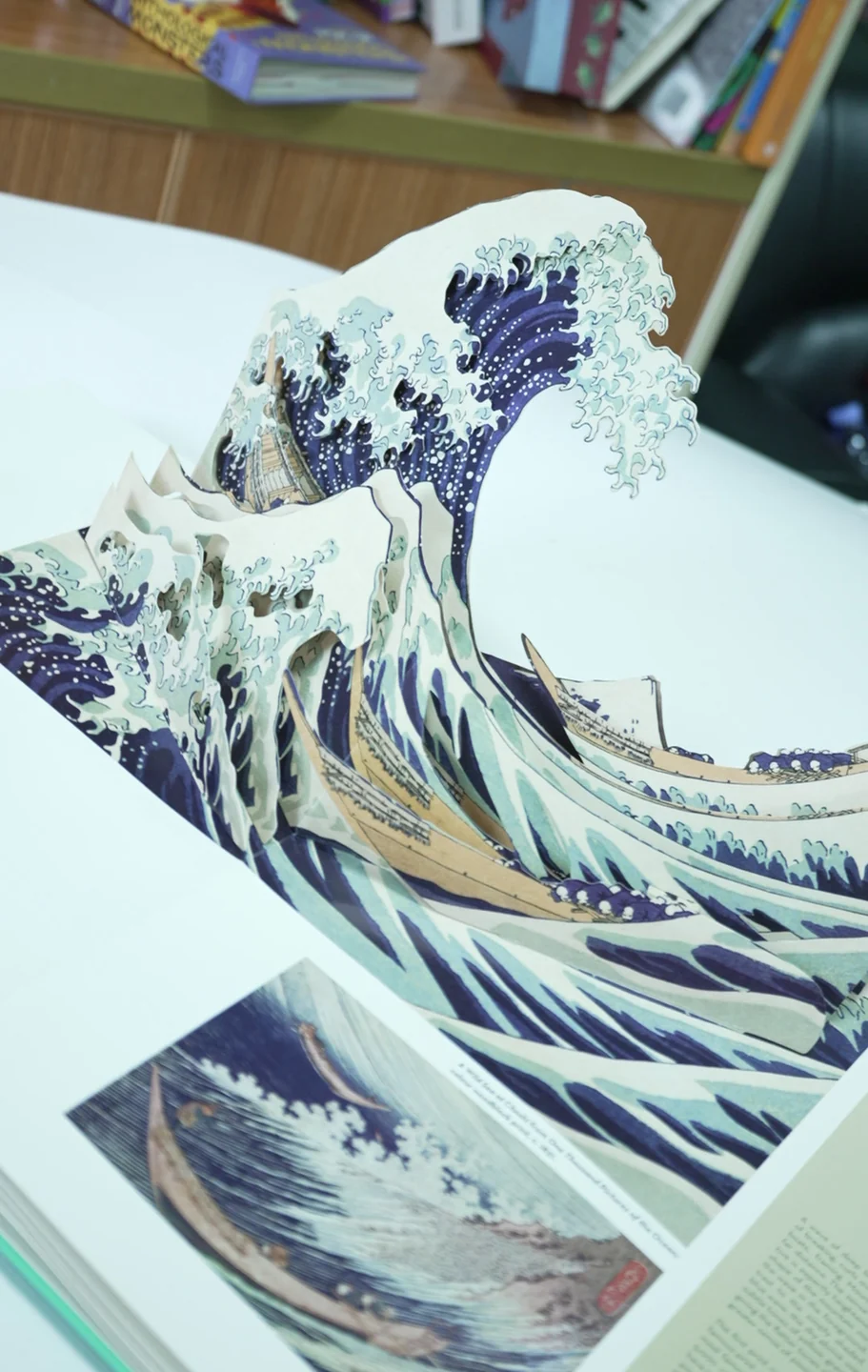
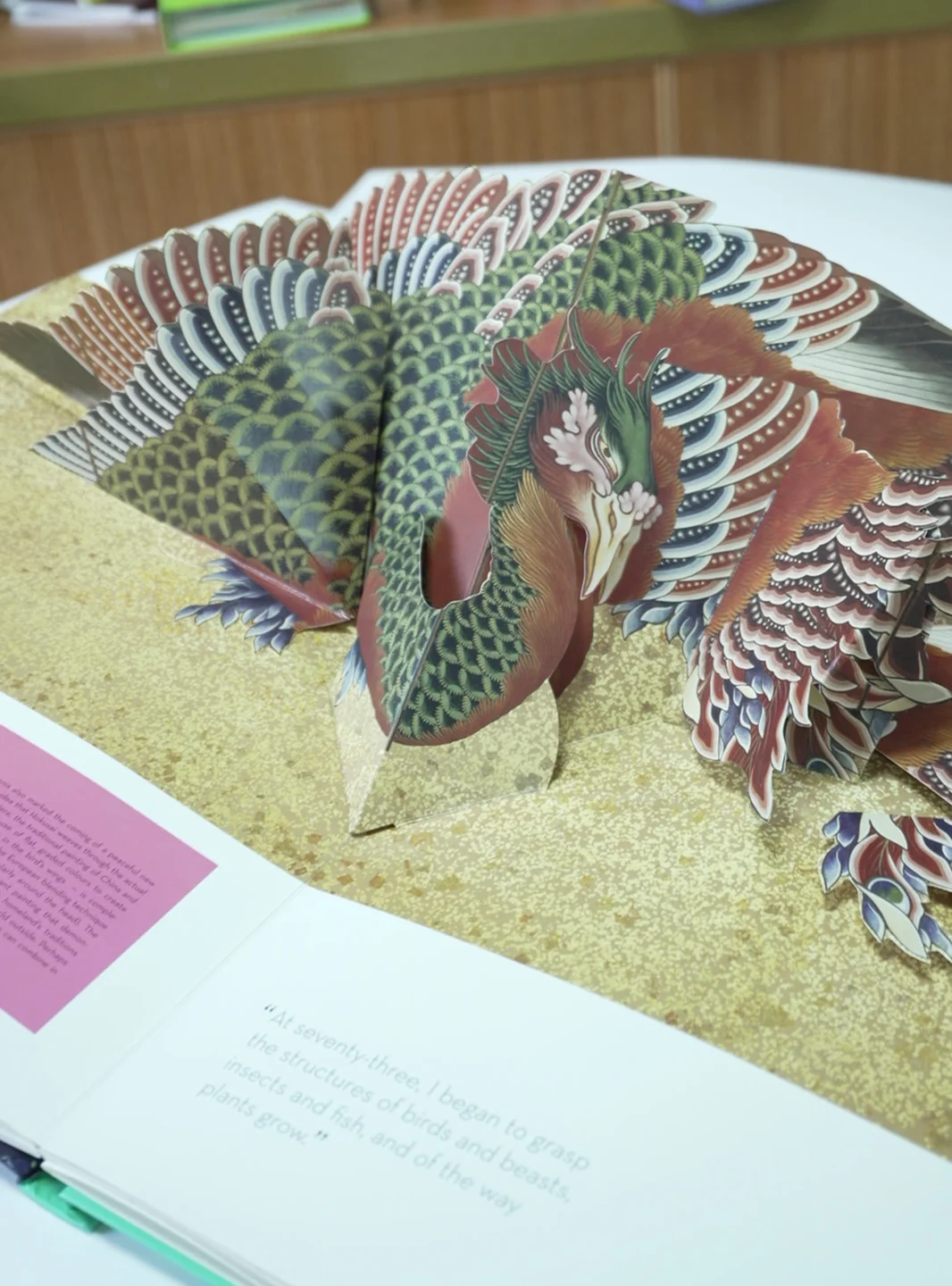
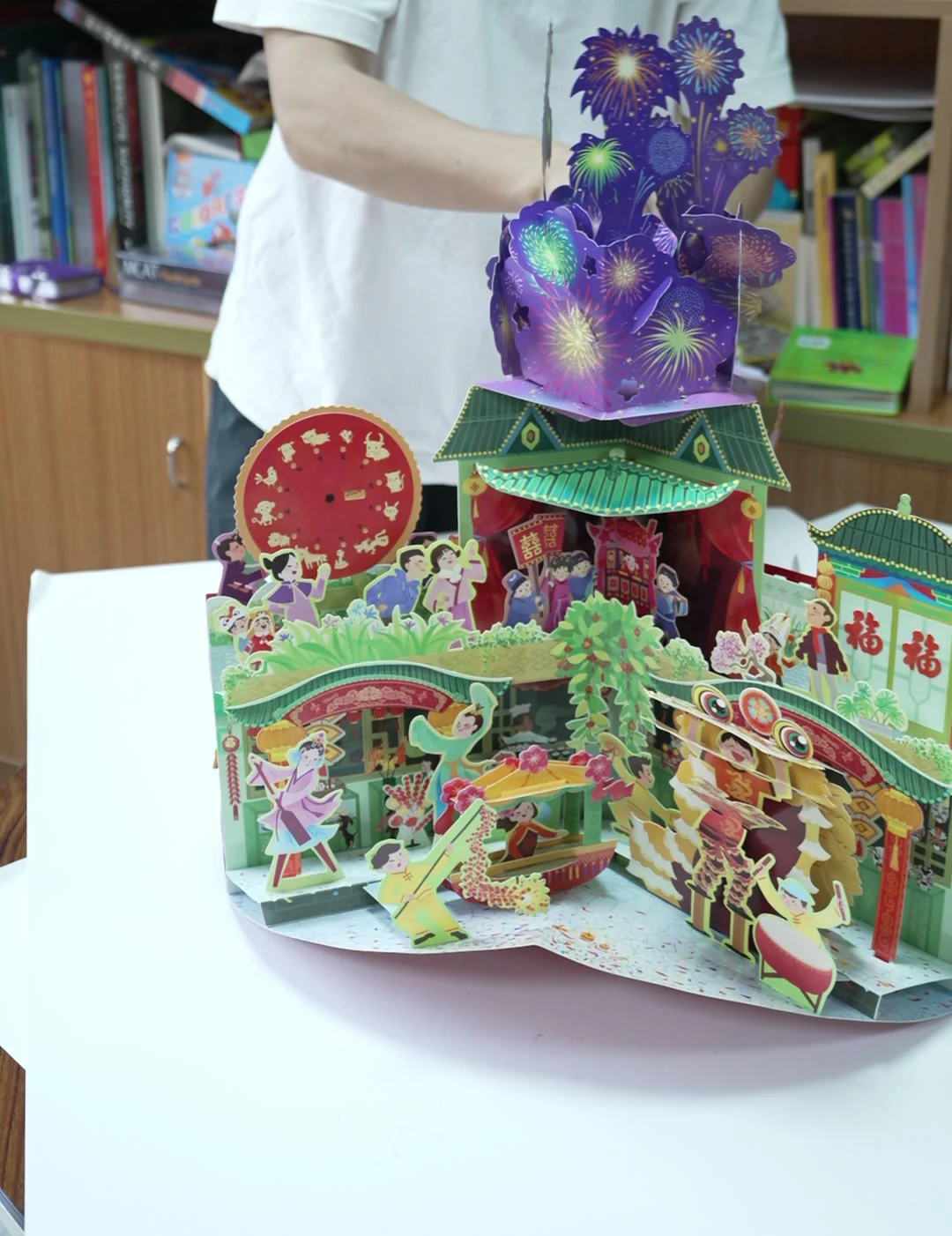
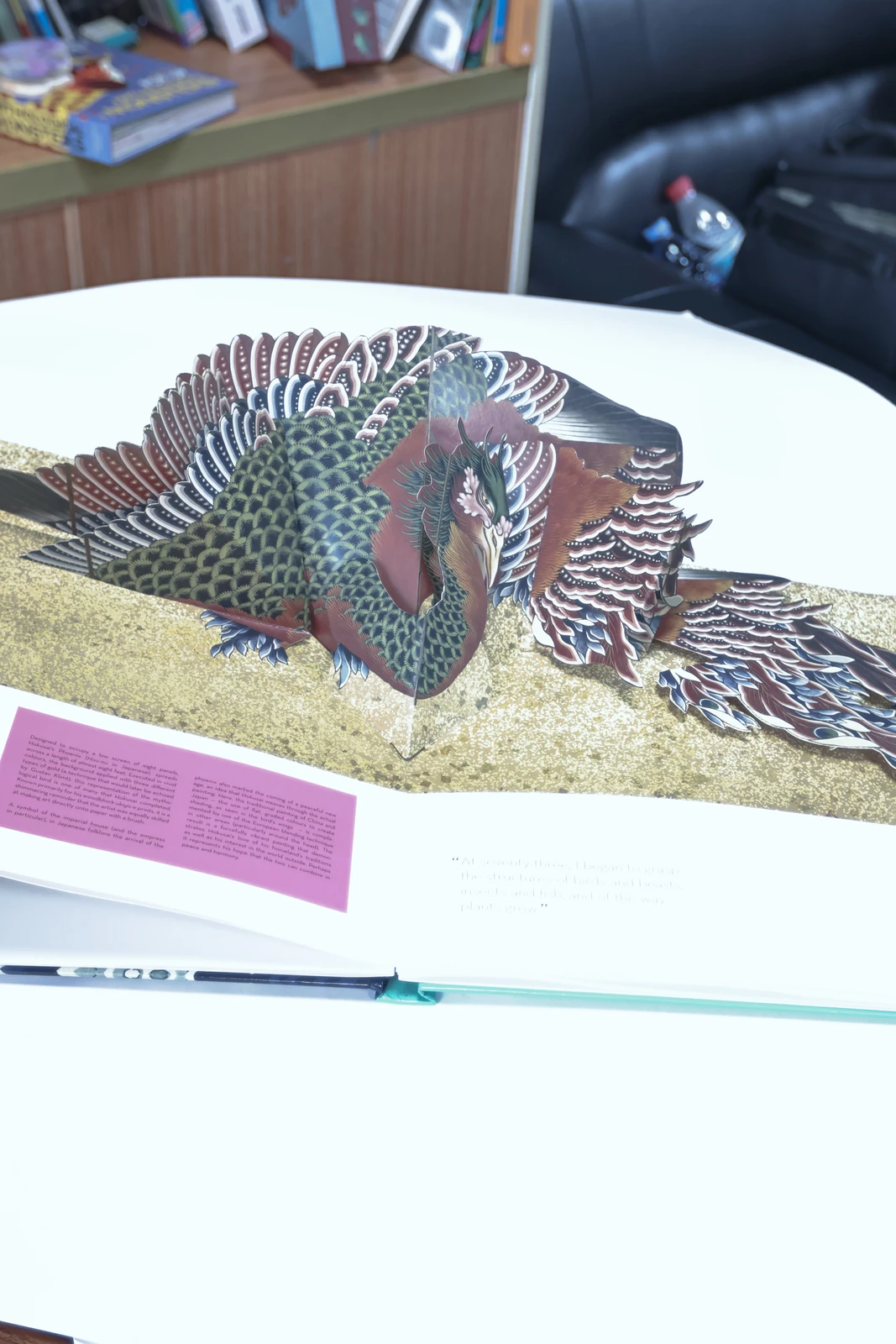
The film shows the movement. The open photograph lets you study the separate paper rows, raised elements and their position across the spread.
02 / BENEATH THE SCENE
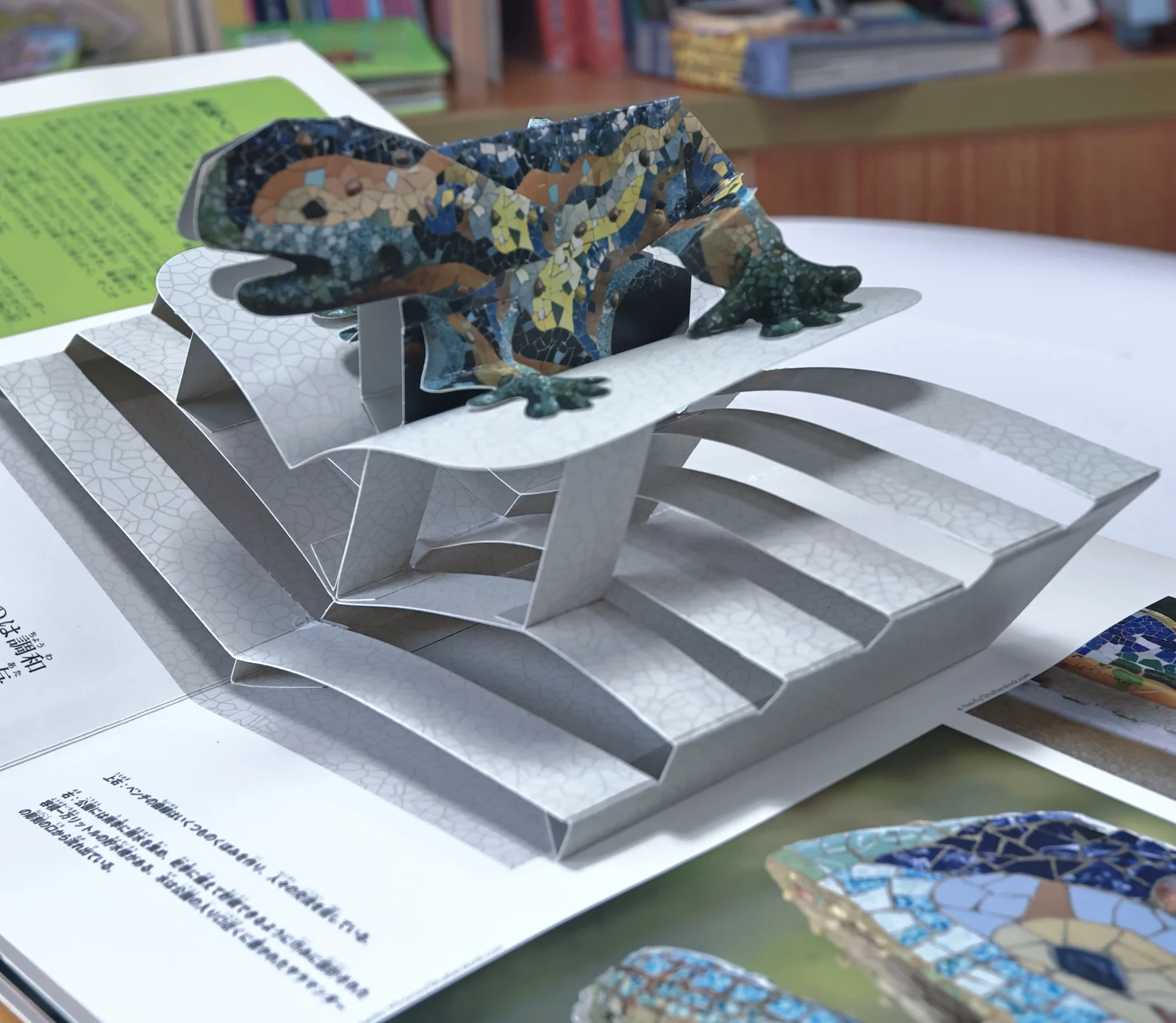
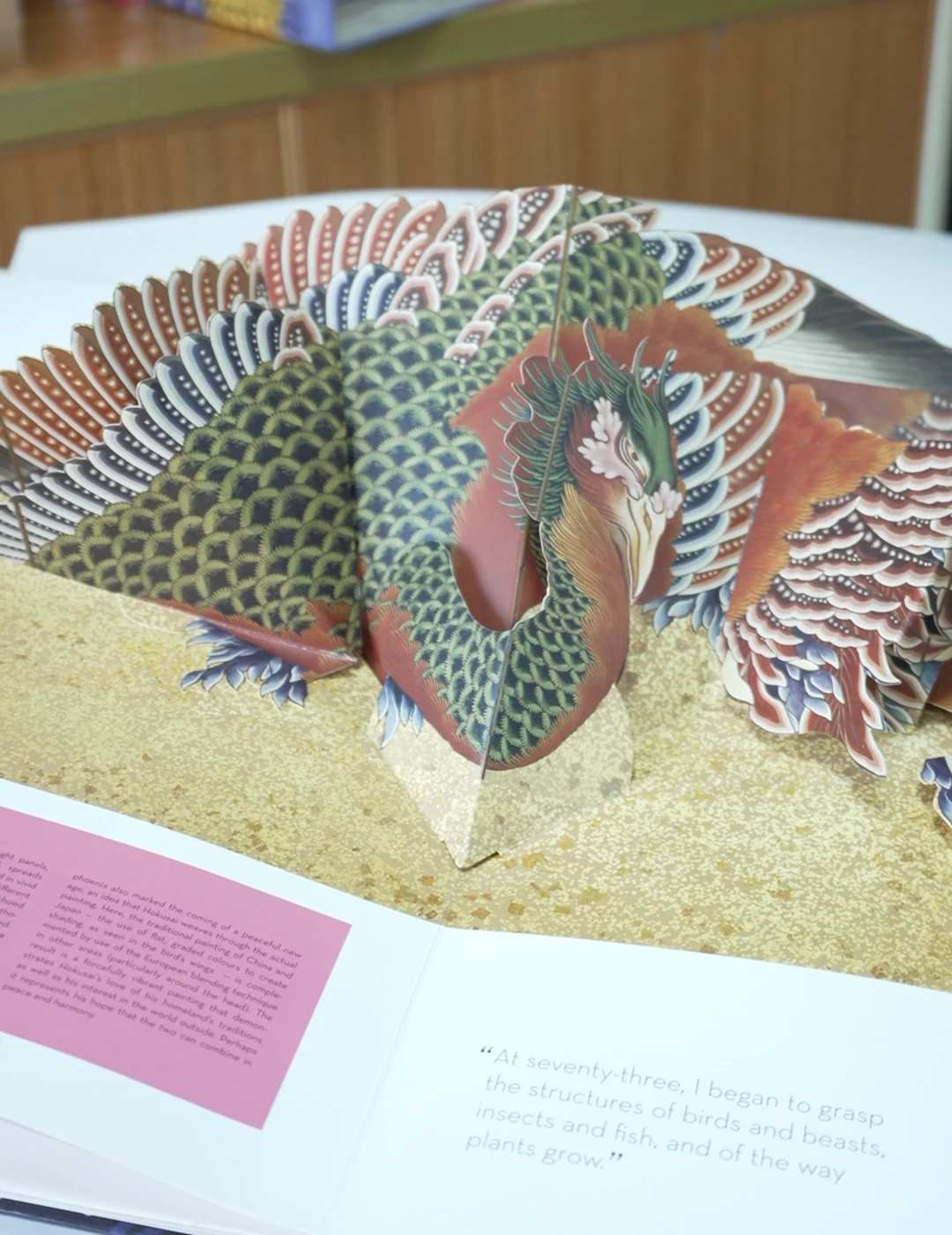
Folded supports hold the scene above the page. Cut edges and overlapping layers create depth, while attachment points guide the movement.
03 / THE CAROUSEL FORMAT
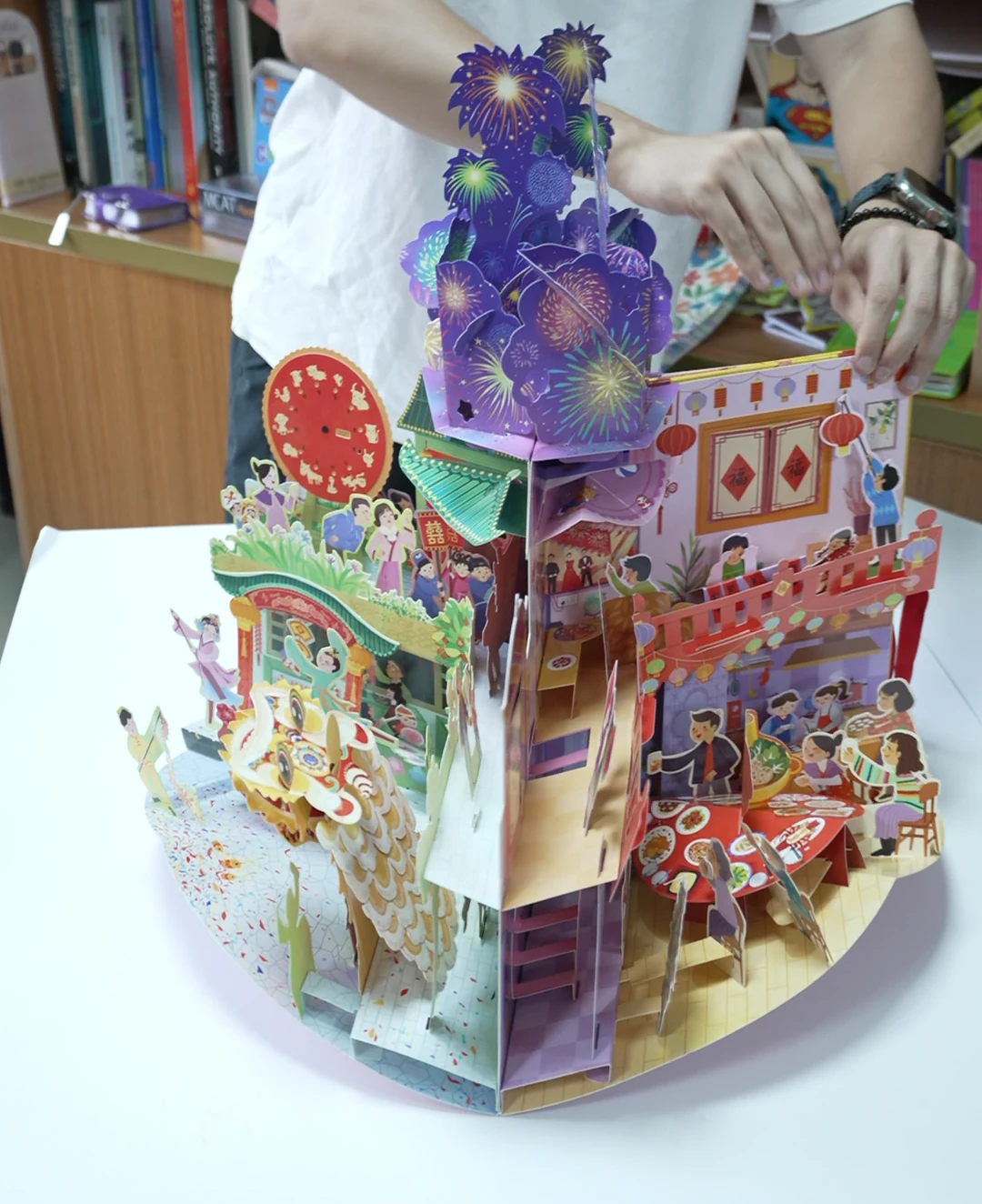
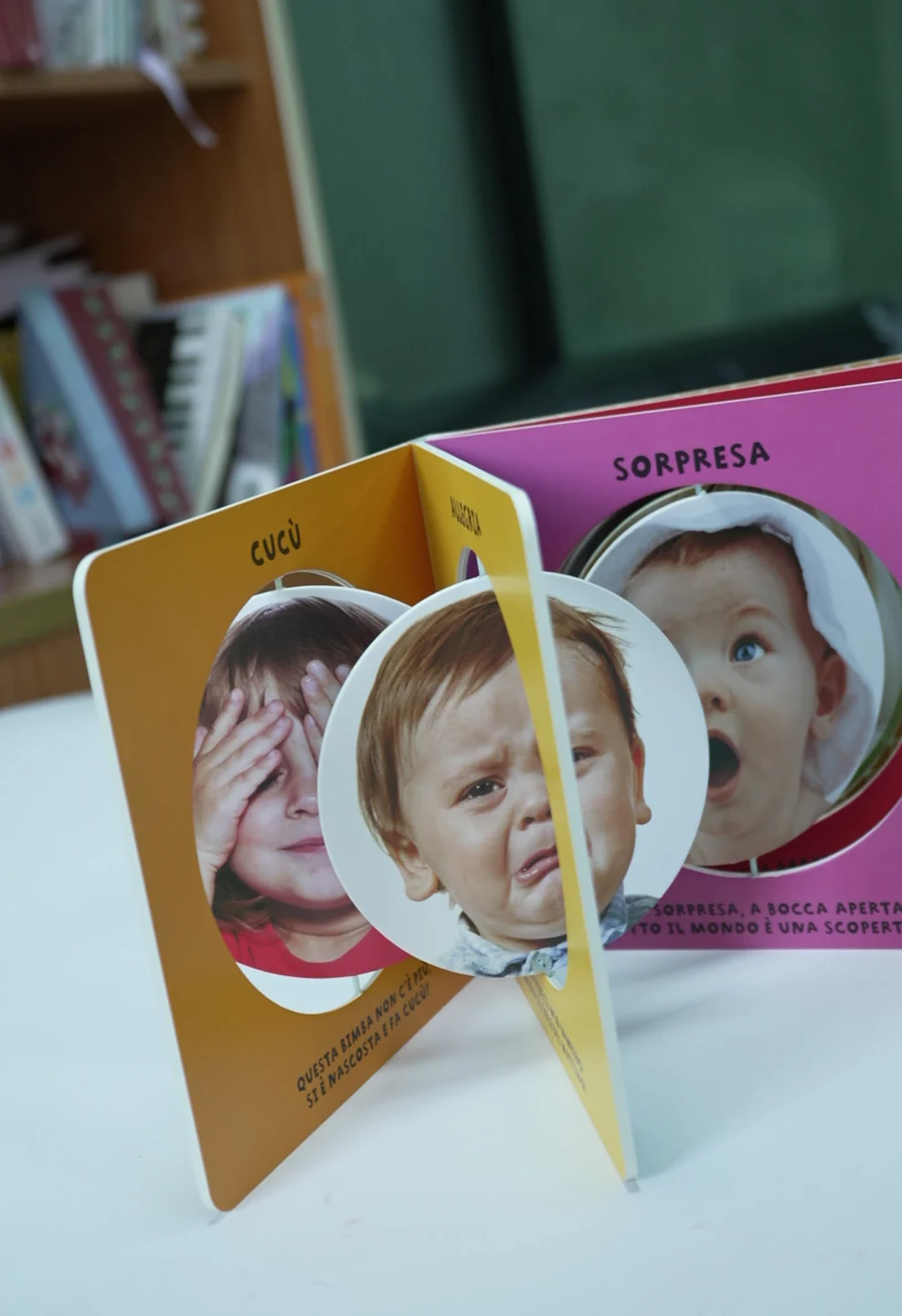
Play the opening sequence, then compare the fully opened sample and panel detail. The connected pages form a dimensional display; the folded thickness and support points are part of the sample review.
A CLOSER VIEW / CONNECTED PANELS
PLANNING YOUR SAMPLE
Share the finished size, intended page count, target quantity and a reference for the opening movement. Paper, printed artwork and assembly requirements can then be reviewed together.
Assembly, folded thickness and repeated opening should be assessed on a physical sample before approving a specification. The two films above show the actual opening of their respective samples; other photographs show individual structural details.
Sample artwork is included to explain paper construction. No client partnership, illustration ownership or product certification is implied. Workshop images elsewhere on this website identify their actual production stage and are not presented as the assembly of these particular samples.
Watch workshop production studies ↗PAPER IN MOTION
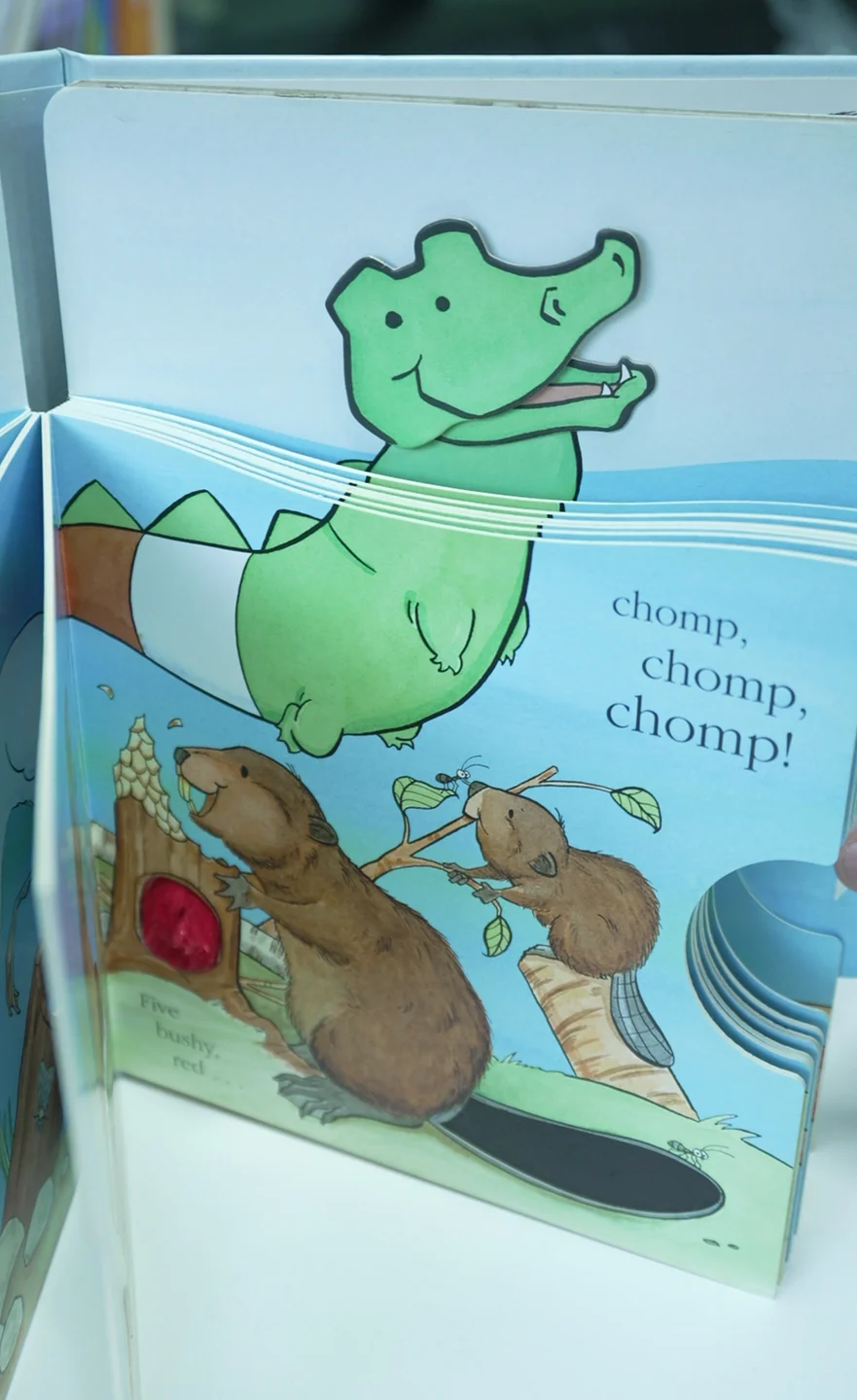
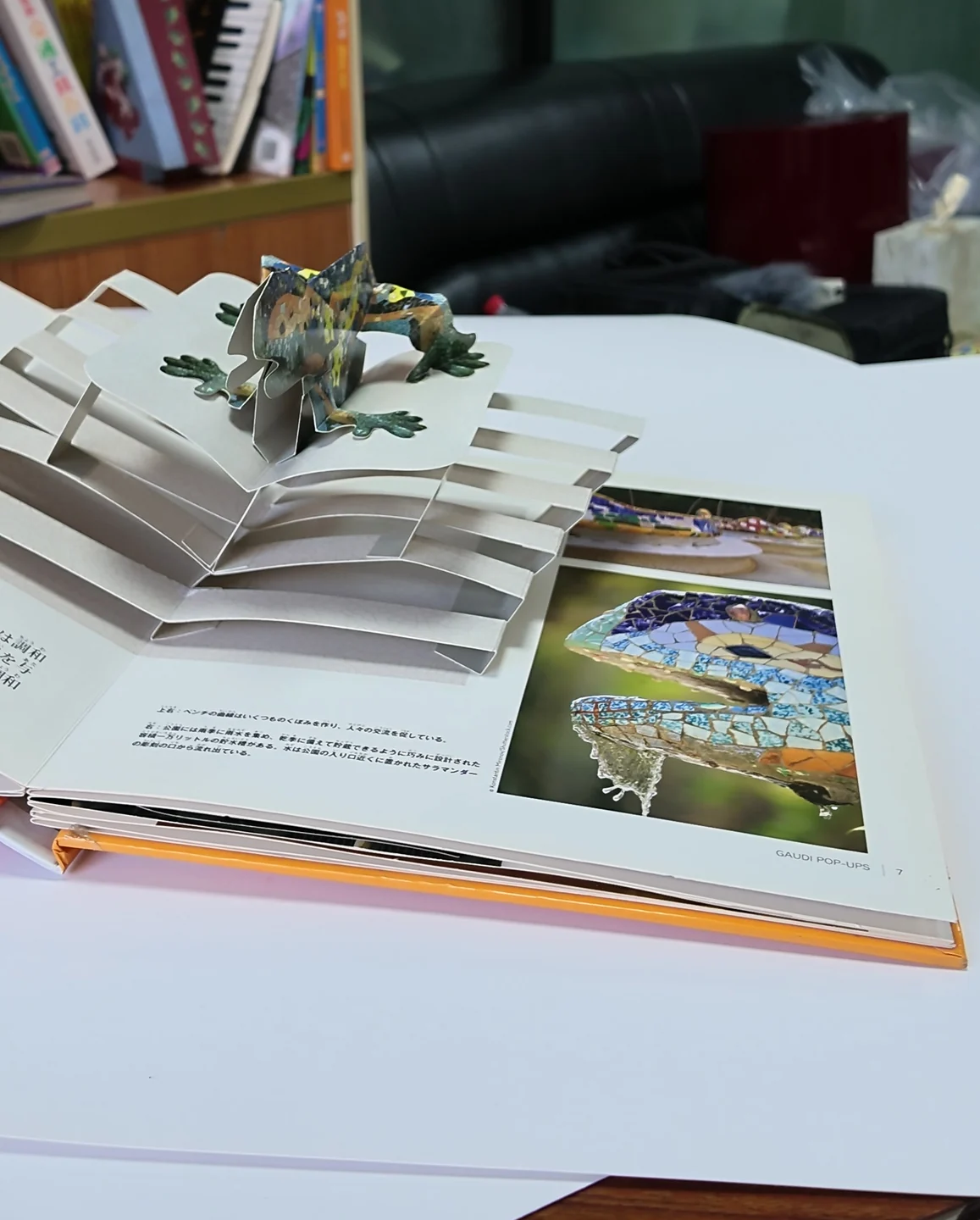
Compare connected panels, raised characters and manually moved paper elements. These are different photographed sample views, not a fabricated closed-to-open sequence.
DEVELOPING THE STRUCTURE
Review the paper construction before approving a production specification. The workshop archive shows separate rigid-cover processes; it is not presented as assembly footage of these pop-up samples.
What should stand, turn or reveal when the reader opens the page?
How do the paper layers fit together when the book is closed?
Where do tabs, folds and support pieces connect to the spread?
Which movements and handling checks should the physical sample demonstrate?
FROM A SCENE TO A SPECIFICATION
A dimensional spread combines cut edges, fold lines and support points. The open view shows the arrangement; a physical sample is needed to assess how it closes and reopens.
Set the intended opening angle. Check where each paper element stands and whether neighbouring elements collide during movement.
Review the closed sample with all layers in place. Check page clearance and how the accumulated paper thickness affects the cover.
Inspect folds and glued tabs on the sample, then agree a suitable opening test for the intended use. No durability or safety certification is implied by these photographs.
LET’S MAKE IT YOURS
Start with your idea, dimensions and intended use. Build the specification from there.